vue怎么实现翻译
实现 Vue 翻译功能
在 Vue 中实现翻译功能通常需要结合国际化(i18n)库或第三方翻译服务。以下是几种常见的方法:
使用 vue-i18n 插件
安装 vue-i18n 插件:
npm install vue-i18n在 Vue 项目中配置 vue-i18n:
import Vue from 'vue'
import VueI18n from 'vue-i18n'

Vue.use(VueI18n)

const messages = {
  en: {
    welcome: 'Welcome',
    greeting: 'Hello, {name}!'
  },
  zh: {
    welcome: '欢迎',
    greeting: '你好, {name}!'
  }
}

const i18n = new VueI18n({
  locale: 'en', // 设置默认语言
  messages
})

new Vue({
  i18n,
  // ...其他配置
}).$mount('#app')
在模板中使用翻译:
<template>
  <div>
    <p>{{ $t('welcome') }}</p>
    <p>{{ $t('greeting', { name: 'John' }) }}</p>
  </div>
</template>
动态切换语言
添加语言切换功能:
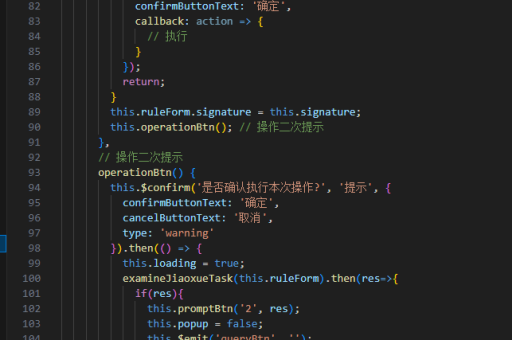
methods: {
  changeLanguage(lang) {
    this.$i18n.locale = lang
  }
}
使用第三方翻译 API
结合 Google Translate 或其他翻译 API 实现动态翻译:
安装 axios:
npm install axios调用翻译 API 示例:

import axios from 'axios'

async function translateText(text, targetLang) {
  try {
    const response = await axios.post('https://translation-api.com/translate', {
      text,
      target: targetLang
    })
    return response.data.translatedText
  } catch (error) {
    console.error('Translation error:', error)
    return text
  }
}
懒加载语言包
对于大型应用,可以按需加载语言包:
async function loadLocaleMessages(locale) {
  const messages = await import(`./locales/${locale}.json`)
  i18n.setLocaleMessage(locale, messages.default)
  return nextTick()
}
浏览器语言自动检测
自动检测用户浏览器语言:
const browserLang = navigator.language.split('-')[0]
if (['en', 'zh'].includes(browserLang)) {
  i18n.locale = browserLang
}
本地存储语言偏好
使用 localStorage 保存用户语言选择:
// 设置语言
localStorage.setItem('user-language', lang)

// 获取语言
const savedLang = localStorage.getItem('user-language')
if (savedLang) i18n.locale = savedLang
这些方法可以根据项目需求单独使用或组合使用,vue-i18n 提供了最完整的 Vue 国际化解决方案,而第三方 API 则适合需要动态翻译内容的场景。