vue实现异步请求
使用 Vue 实现异步请求的方法
使用 Axios 发送异步请求
Axios 是一个流行的 HTTP 客户端库,适用于浏览器和 Node.js。在 Vue 项目中,可以通过安装 Axios 并调用其 API 发送异步请求。
安装 Axios:
npm install axios在 Vue 组件中使用 Axios:
import axios from 'axios';

export default {
  methods: {
    fetchData() {
      axios.get('https://api.example.com/data')
        .then(response => {
          console.log(response.data);
        })
        .catch(error => {
          console.error(error);
        });
    }
  }
};
使用 Vue Resource 发送异步请求
Vue Resource 是 Vue 官方曾经推荐的 HTTP 客户端库,但目前已不再维护。如果项目仍在使用,可以通过以下方式发送请求。
安装 Vue Resource:
npm install vue-resource在 Vue 中使用:
import Vue from 'vue';
import VueResource from 'vue-resource';

Vue.use(VueResource);

export default {
  methods: {
    fetchData() {
      this.$http.get('https://api.example.com/data')
        .then(response => {
          console.log(response.body);
        })
        .catch(error => {
          console.error(error);
        });
    }
  }
};
使用 Fetch API 发送异步请求
Fetch API 是浏览器原生支持的 HTTP 请求方法,无需额外安装库。
在 Vue 组件中使用 Fetch:
export default {
  methods: {
    fetchData() {
      fetch('https://api.example.com/data')
        .then(response => response.json())
        .then(data => {
          console.log(data);
        })
        .catch(error => {
          console.error(error);
        });
    }
  }
};
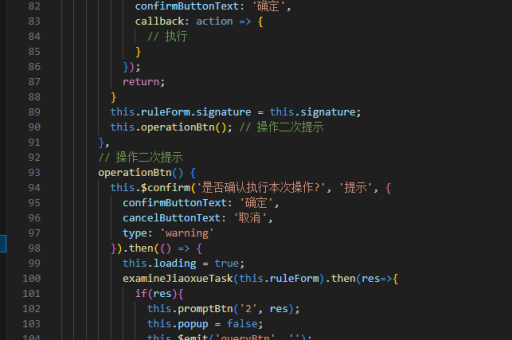
使用 async/await 简化异步代码
通过 async/await 语法可以更简洁地处理异步请求。
使用 Axios 的 async/await 示例:
import axios from 'axios';

export default {
  methods: {
    async fetchData() {
      try {
        const response = await axios.get('https://api.example.com/data');
        console.log(response.data);
      } catch (error) {
        console.error(error);
      }
    }
  }
};
在 Vue 生命周期钩子中调用异步请求
通常会在 created 或 mounted 钩子中发起异步请求以初始化数据。
export default {
  data() {
    return {
      posts: []
    };
  },
  async created() {
    try {
      const response = await axios.get('https://api.example.com/posts');
      this.posts = response.data;
    } catch (error) {
      console.error(error);
    }
  }
};
全局配置 Axios
可以在 Vue 项目中全局配置 Axios,例如设置基础 URL 或拦截器。
import axios from 'axios';

axios.defaults.baseURL = 'https://api.example.com';
axios.interceptors.request.use(config => {
  // 在发送请求前做一些处理
  return config;
});

// 在组件中直接使用 axios
export default {
  methods: {
    fetchData() {
      axios.get('/data')
        .then(response => {
          console.log(response.data);
        });
    }
  }
};
使用 Vuex 管理异步状态
在大型项目中,可以使用 Vuex 集中管理异步请求的状态。
定义 Vuex action:
import axios from 'axios';

const actions = {
  async fetchPosts({ commit }) {
    try {
      const response = await axios.get('https://api.example.com/posts');
      commit('SET_POSTS', response.data);
    } catch (error) {
      console.error(error);
    }
  }
};
在组件中调用:
export default {
  created() {
    this.$store.dispatch('fetchPosts');
  }
};
以上方法涵盖了 Vue 中实现异步请求的常见场景,开发者可以根据项目需求选择合适的方式。