vue实现外卖app
Vue 实现外卖 App 的核心功能
使用 Vue 实现外卖 App 需要结合 Vue 的响应式特性、组件化开发以及状态管理工具(如 Vuex 或 Pinia)。以下是关键功能模块的实现方法:
项目初始化与基础配置
使用 Vue CLI 或 Vite 创建项目,安装必要的依赖(如 Vue Router、Axios)。配置路由实现页面跳转,例如首页、商家列表、购物车、订单页等。

npm create vue@latest food-delivery-app
cd food-delivery-app
npm install vue-router axios pinia
首页与商家列表
通过 Axios 请求后端 API 获取商家数据,使用 v-for 渲染列表。添加筛选功能(如按距离、评分排序)。
// 示例:获取商家数据
import { ref } from 'vue';
import axios from 'axios';

const restaurants = ref([]);
const loadRestaurants = async () => {
  const response = await axios.get('/api/restaurants');
  restaurants.value = response.data;
};
商家详情页
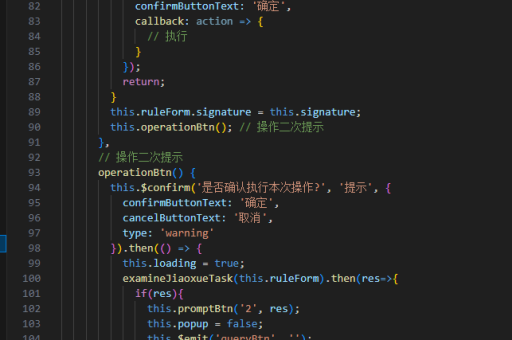
通过路由参数传递商家 ID,动态加载菜单数据。使用组件拆分菜单分类(如热销、主食)。
<template>
  <div v-for="category in menuCategories" :key="category.id">
    <h3>{{ category.name }}</h3>
    <MenuItem v-for="item in category.items" :item="item" />
  </div>
</template>
购物车功能
使用 Pinia 或 Vuex 管理全局购物车状态。实现添加商品、增减数量、计算总价等功能。
// Pinia 示例
import { defineStore } from 'pinia';

export const useCartStore = defineStore('cart', {
  state: () => ({
    items: [],
  }),
  actions: {
    addItem(item) {
      const existing = this.items.find(i => i.id === item.id);
      existing ? existing.quantity++ : this.items.push({ ...item, quantity: 1 });
    },
  },
});
订单提交与支付
收集用户地址和备注信息,调用支付接口(模拟或集成第三方 SDK 如支付宝/微信支付)。
const submitOrder = async () => {
  const order = {
    items: cartStore.items,
    address: selectedAddress.value,
  };
  await axios.post('/api/orders', order);
  router.push('/payment');
};
性能优化与部署
- 懒加载路由:拆分代码块提升首屏加载速度。
- PWA 支持:通过
workbox-plugin实现离线缓存。 - 部署:使用 Docker 或直接部署到云服务(如 Vercel)。
// 路由懒加载
const RestaurantList = () => import('./views/RestaurantList.vue');
扩展功能建议
- 地图集成:使用高德或腾讯地图 API 显示商家位置。
- 实时通信:WebSocket 推送订单状态更新。
- 服务端渲染:若需 SEO,可迁移至 Nuxt.js。
通过以上模块化开发,可快速构建一个功能完整的外卖应用。实际开发中需根据需求调整 API 交互和 UI 设计。