vue实现点击弹窗
Vue 实现点击弹窗的方法
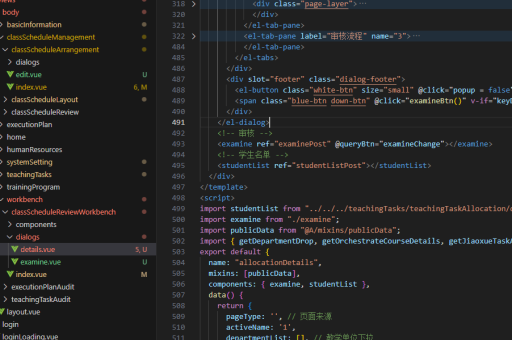
使用 v-if 或 v-show 控制弹窗显示
通过 Vue 的指令 v-if 或 v-show 控制弹窗的显示与隐藏。v-if 会动态添加或移除 DOM 元素,而 v-show 是通过 CSS 的 display 属性控制。
<template>
<button @click="showModal = true">打开弹窗</button>
<div v-if="showModal" class="modal">
<div class="modal-content">
<span @click="showModal = false" class="close">×</span>
<p>这里是弹窗内容</p>
</div>
</div>
</template>
<script>
export default {
data() {
return {
showModal: false
};
}
};
</script>
<style>
.modal {
position: fixed;
z-index: 1;
left: 0;
top: 0;
width: 100%;
height: 100%;
background-color: rgba(0, 0, 0, 0.4);
}
.modal-content {
background-color: #fefefe;
margin: 15% auto;
padding: 20px;
border: 1px solid #888;
width: 80%;
}
.close {
color: #aaa;
float: right;
font-size: 28px;
font-weight: bold;
cursor: pointer;
}
</style>使用 Vue 组件封装弹窗
将弹窗封装为独立的组件,便于复用和维护。
<!-- Modal.vue -->
<template>
<div v-if="visible" class="modal">
<div class="modal-content">
<span @click="close" class="close">×</span>
<slot></slot>
</div>
</div>
</template>
<script>
export default {
props: {
visible: {
type: Boolean,
default: false
}
},
methods: {
close() {
this.$emit('update:visible', false);
}
}
};
</script>在父组件中使用弹窗组件:
<template>
  <button @click="showModal = true">打开弹窗</button>
  <Modal :visible.sync="showModal">
    <p>这里是弹窗内容</p>
  </Modal>
</template>

<script>
import Modal from './Modal.vue';

export default {
  components: {
    Modal
  },
  data() {
    return {
      showModal: false
    };
  }
};
</script>
使用第三方库(如 Element UI)
如果项目中使用 Element UI 等 UI 框架,可以直接调用其提供的弹窗组件。
<template>
  <button @click="dialogVisible = true">打开弹窗</button>
  <el-dialog :visible.sync="dialogVisible" title="提示">
    <p>这里是弹窗内容</p>
  </el-dialog>
</template>

<script>
export default {
  data() {
    return {
      dialogVisible: false
    };
  }
};
</script>
动态渲染弹窗内容
通过动态绑定数据,实现弹窗内容的灵活变化。
<template>
  <button @click="openModal('提示信息')">打开弹窗</button>
  <Modal :visible.sync="showModal" :content="modalContent" />
</template>

<script>
import Modal from './Modal.vue';

export default {
  components: {
    Modal
  },
  data() {
    return {
      showModal: false,
      modalContent: ''
    };
  },
  methods: {
    openModal(content) {
      this.modalContent = content;
      this.showModal = true;
    }
  }
};
</script>
注意事项
- 弹窗的样式需要根据项目需求调整,确保遮罩层和内容层的层级关系正确。
- 使用
.sync修饰符可以简化父子组件间的双向绑定。 - 对于复杂的弹窗逻辑,建议封装为独立组件,提高代码复用性。